Krishna Garden Complex,
A/65, Jagamara Rd, Phase-II, Khandagiri, Bhubaneswar, Odisha 751020
 Mon-Sat: 9:00 AM -
07:00 PM
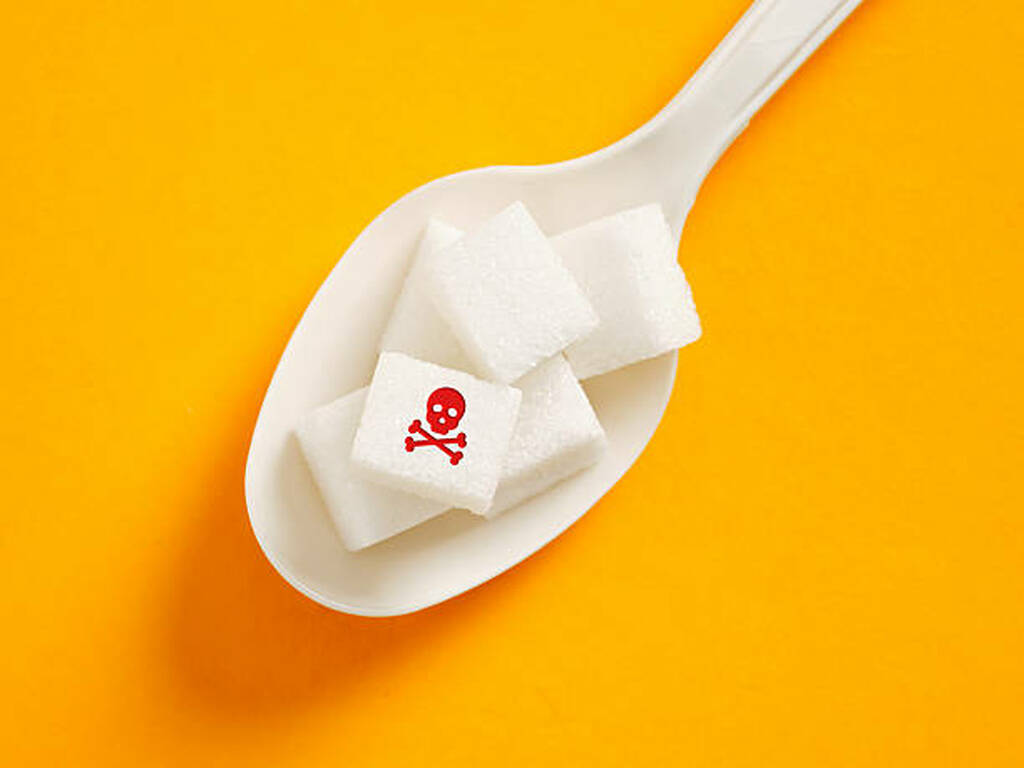
<p>Every few months, a new wave of social media posts claims that “sugar feeds cancer.” It spreads like wildfire because it sounds scary, simple, and logical. But health rarely works in black-and-white absolutes. Anyone who has spent time speaking with oncologists, watching families navigate treatment, or creating patient-friendly content knows that the truth sits somewhere in the messy middle, not in viral shortcuts.</p><p>Here’s the reality: cancer cells do consume glucose (sugar). But so do every single cell in the human body, from the brain you’re using to read this article to the muscles helping you sit upright right now. Glucose is the body’s universal fuel. Eliminating sugar doesn’t “starve” cancer. Instead, it starves the entire body at a time when strength is desperately needed.</p><p>Many patients who panic after reading these viral posts land in clinics run by experts like Dr. Sunil Agrawala, the best oncologist in Bhubaneswar, already guilty or confused about what they’ve eaten. They often confess they’ve stopped taking fruit, milk, rice, or even basic home-cooked meals, thinking they’re helping their recovery, while actually weakening their immune system.</p><p>A common mistake people make is mixing up association and cause. Yes, people with high sugar intake or obesity have a greater risk of certain cancers, but that doesn’t mean sugar, on its own, is “fueling” existing cancer like petrol in a car. It’s more about long-term inflammation, insulin resistance, and lifestyle patterns. That’s a very different picture from oversimplified Instagram claims.</p><p>Another lived truth: during cancer treatment, appetite is unpredictable. Nausea, mouth sores, and fatigue often make eating a chore. Many patients rely on easy-to-digest carbs — khichdi, rice, fruit, toast— just to keep themselves going. Telling someone in chemotherapy to “cut out all sugar because it feeds cancer” is not just misleading; it can be harmful.</p><p>What genuinely matters is balance. Not “no sugar,” but “not only sugar.” One soft drink won’t cause cancer, just like one salad won’t cure it. A diet rich in whole foods, lean proteins, healthy fats, vegetables, and moderate carbohydrates supports treatment far better than extreme restrictions ever could.</p><p>There’s also a psychological layer that rarely gets discussed. Food becomes emotional during illness. Patients feel they must “do something” beyond medical treatment, something within their control. That’s why myths spread so easily. They offer clear villains and simple solutions. But cancer doesn’t work like that, and neither does recovery. Trustworthy guidance from specialists like Dr. Sunil Agrawala, the best oncologist in Bhubaneswar, matters more than internet shortcuts.</p><p>The real takeaway? Sugar doesn’t cause cancer to grow faster. A high-sugar lifestyle is unhealthy, yes, but removing sugar entirely doesn’t stop cancer. What helps is a steady, nourishing diet that keeps the body strong enough for treatment.</p><p>In a world full of dramatic headlines and wellness influencers, the truth is far less flashy but far more helpful: eat balanced meals, stay active, follow medical advice, and don’t let viral claims decide what goes on your plate.</p>
Is Sugar Really Fueling Cancer? The Truth Behind Viral Claims
By : Admin
Dec 19, 2025