Krishna Garden Complex,
A/65, Jagamara Rd, Phase-II, Khandagiri, Bhubaneswar, Odisha 751020
 Mon-Sat: 9:00 AM -
07:00 PM
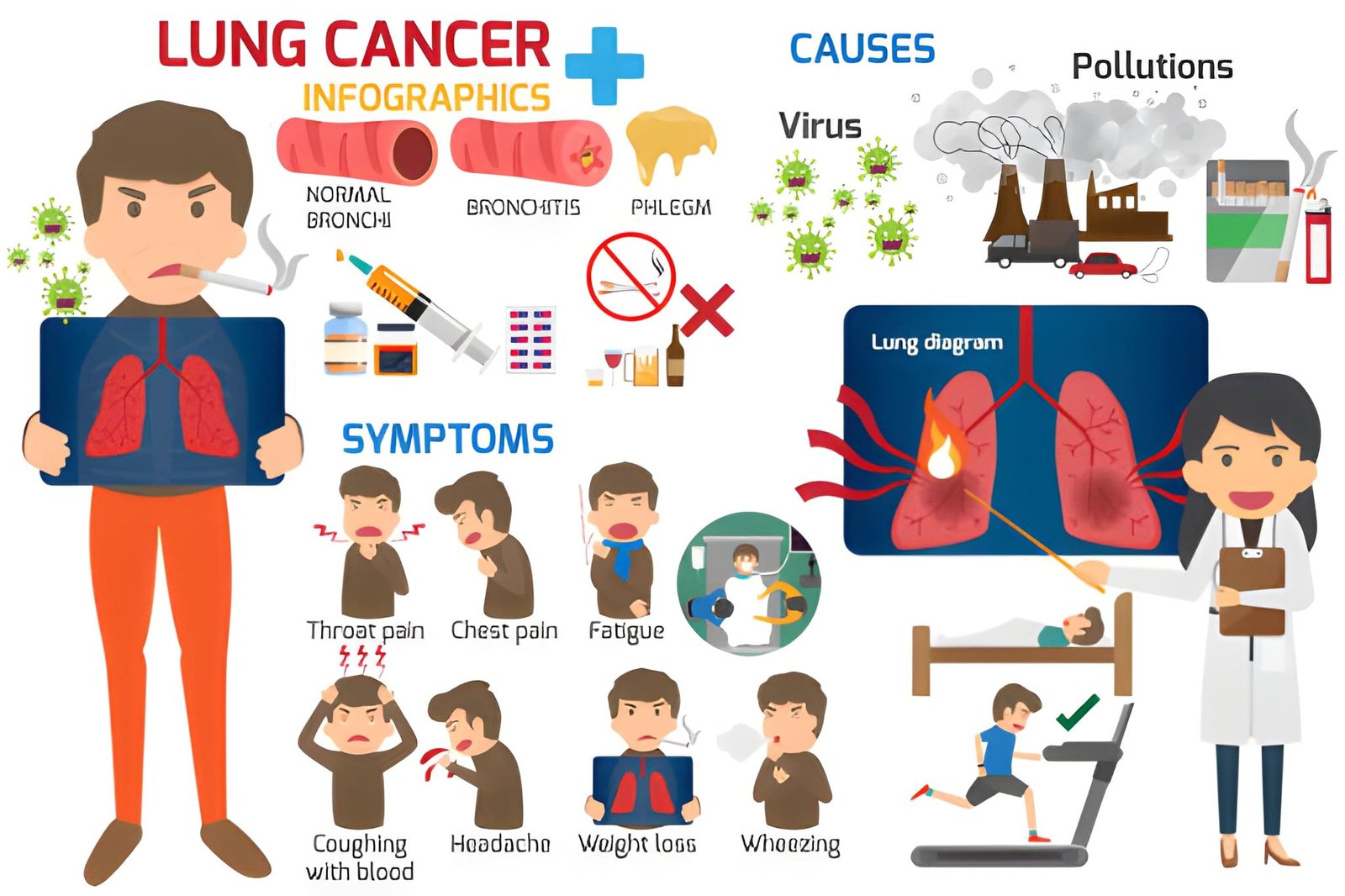
<p>Cancer is often thought of as a disease caused purely by genetics or bad luck. While family history can play a role, many cancers are also influenced by the environment we live in and the lifestyle choices we make every day. From the air we breathe to the food we eat, several environmental factors may quietly increase the risk of developing cancer over time.</p><p>According to Dr Sunil Agrawala, the best oncologist in Bhubaneswar, awareness and early prevention are among the most powerful tools in reducing cancer risk. Understanding these environmental triggers can help individuals make healthier and safer choices for themselves and their families.</p><p>Air pollution has become a major concern in modern cities. Vehicle emissions, industrial smoke, construction dust, and the burning of waste release harmful particles into the air. Long-term exposure to polluted air has been linked to lung cancer and several respiratory illnesses.</p><p>Even people who do not smoke may develop lung-related complications due to continuous exposure to poor air quality. Indoor air pollution caused by smoke from cooking fuels, passive smoking, or poorly ventilated spaces can also contribute to long-term health risks.</p><p>Tobacco remains one of the leading causes of cancer worldwide. Smoking cigarettes, cigars, or bidis significantly increases the risk of lung, throat, oral, and bladder cancers. Smokeless tobacco products such as gutkha and chewing tobacco are strongly associated with oral cancer, which is increasingly common in India.</p><p>Second-hand smoke is equally harmful. People regularly exposed to tobacco smoke at home or in workplaces may also face an increased cancer risk.</p><p>Modern eating habits have changed dramatically. Highly processed foods, excessive sugar intake, unhealthy fats, and low consumption of fruits and vegetables may contribute to obesity and chronic inflammation, both of which are linked to several cancers.</p><p>A diet lacking in nutrients can weaken the body’s natural defence system. On the other hand, consuming fresh fruits, green vegetables, whole grains, and antioxidant-rich foods may help support overall health and reduce certain cancer risks.</p><p>Daily exposure to certain chemicals in industries, pesticides, paints, cleaning products, or contaminated water sources may also affect long-term health. Workers in factories, construction sites, mining industries, and chemical plants are often exposed to hazardous substances that may increase cancer risk over time.</p><p>Using protective equipment, following safety guidelines, and reducing unnecessary exposure to toxic substances are important preventive measures.</p><p>Too much exposure to ultraviolet (UV) rays from the sun can increase the risk of skin cancer. Prolonged sun exposure without protection damages skin cells over time.</p><p>Similarly, unnecessary exposure to radiation from certain industrial or medical sources should be minimised whenever possible. While medical imaging tests are generally safe, they should always be performed only when medically necessary.</p><p>Modern lifestyles often involve long working hours, minimal physical activity, irregular sleep, and high stress levels. Lack of exercise and obesity are increasingly linked to cancers such as breast, colon, and uterine cancer.</p><p>Although stress alone may not directly cause cancer, chronic stress can weaken the immune system and negatively affect overall health.</p><p>Environmental factors may increase cancer risk gradually over the years. This is why regular health check-ups, screening tests, and early attention to unusual symptoms are essential.</p><p>Warning signs such as unexplained weight loss, persistent cough, unusual bleeding, non-healing ulcers, or prolonged fatigue should never be ignored.</p><p>Dr Sunil Agrawala, the best oncologist in Bhubaneswar, emphasises that many cancers can be treated successfully when detected early. Awareness, lifestyle modifications, and timely medical consultation can make a significant difference.</p><p>While it may not be possible to avoid every environmental risk completely, making conscious lifestyle choices can greatly reduce the chances of developing cancer. Avoiding tobacco, eating a balanced diet, staying physically active, reducing exposure to harmful chemicals, and undergoing regular screenings are small but meaningful steps toward better health.</p><p>Cancer prevention begins with awareness. The more informed we are about the risks around us, the better equipped we become to protect ourselves and our loved ones.</p>
Environmental Factors That May Increase Cancer Risk
By : Admin
May 18, 2026